Tales from the Road - Antioch, Turkey

1 August 2024
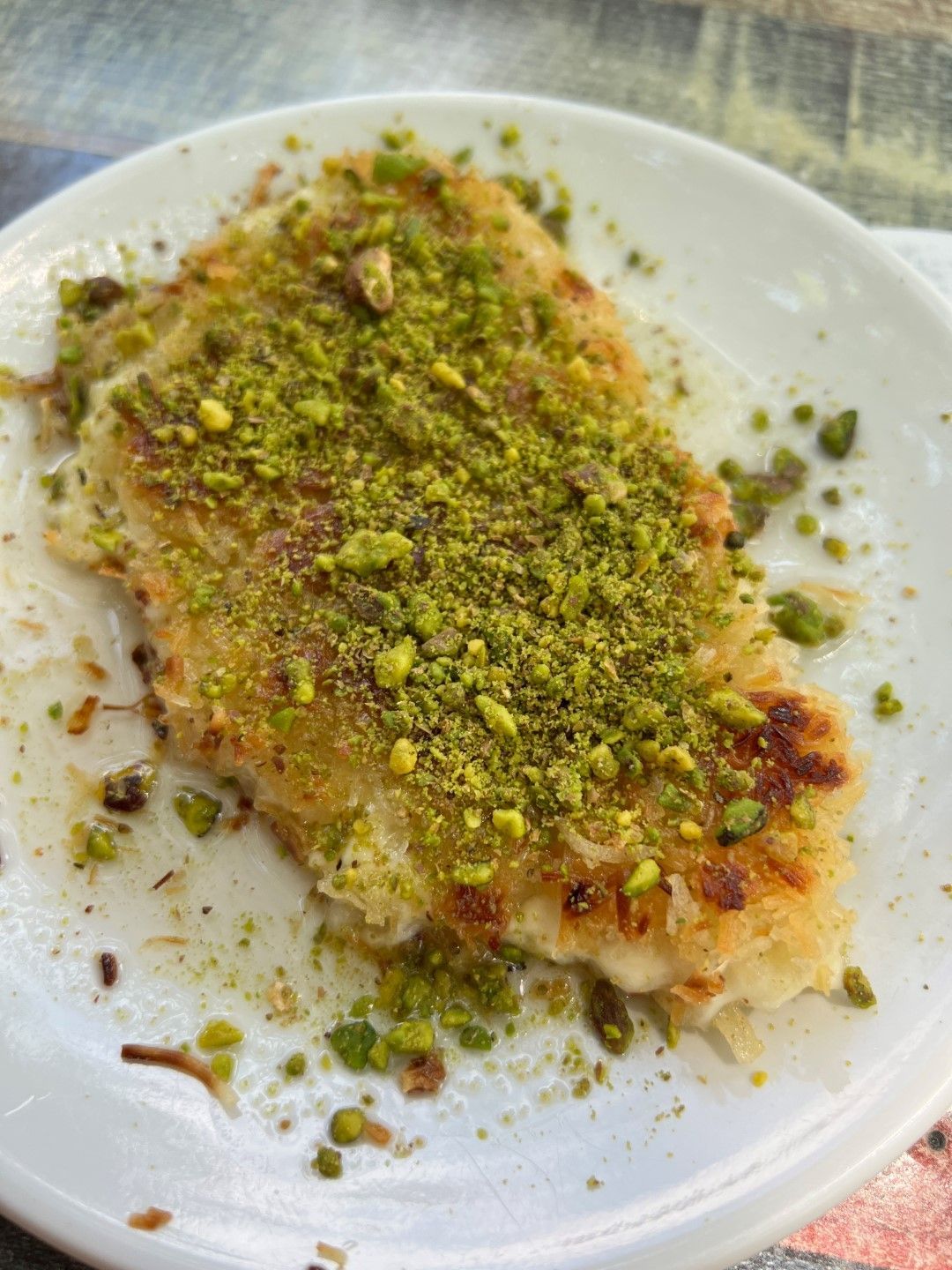
A white plate topped with a piece of food and pistachios.

Tales from the Road -
Antioch, Turkey
Most of us have heard about the devastating 7.8 earthquake that struck the Hatay, Turkey region in February 2023. What few of us realized however, is how much impact the natural disaster had on Turkish culinary culture.


Turkey has seven major regions, each with its own unique cuisine. The southeastern Anatolia region is known for probably the most flavoursome dishes in the country. Rich tomato sauces; plenty of butter, cream and cheese; and of course great wines. What is not to love about cuisine like this?


Wiped out in a day. Antioch (Antakya in Turkish) was considered by many as the center of Turkish gastronomy, and a major tourist destination. Restaurants, hotels, cafes, cooking classes, markets, tours and the airport ceased operations in seconds. With so many businesses closed indefinitely, what could be the fate of the area’s culinary culture?

Luckily, the culinary culture survived, even if businesses did not.


We began our tour of the area in the center of Antioch, where the devastation was greatest. With much of the rubble now cleared, the zone looked like pictures of Hiroshima after the nuclear blast in 1945. A few frames of buildings and a few trees remained, nothing more. Landmarks such as St. Pierre Church, Habbib-i Neccar Mosque, Mosaic Museum and the Long Bazaar were all affected by the earthquake.
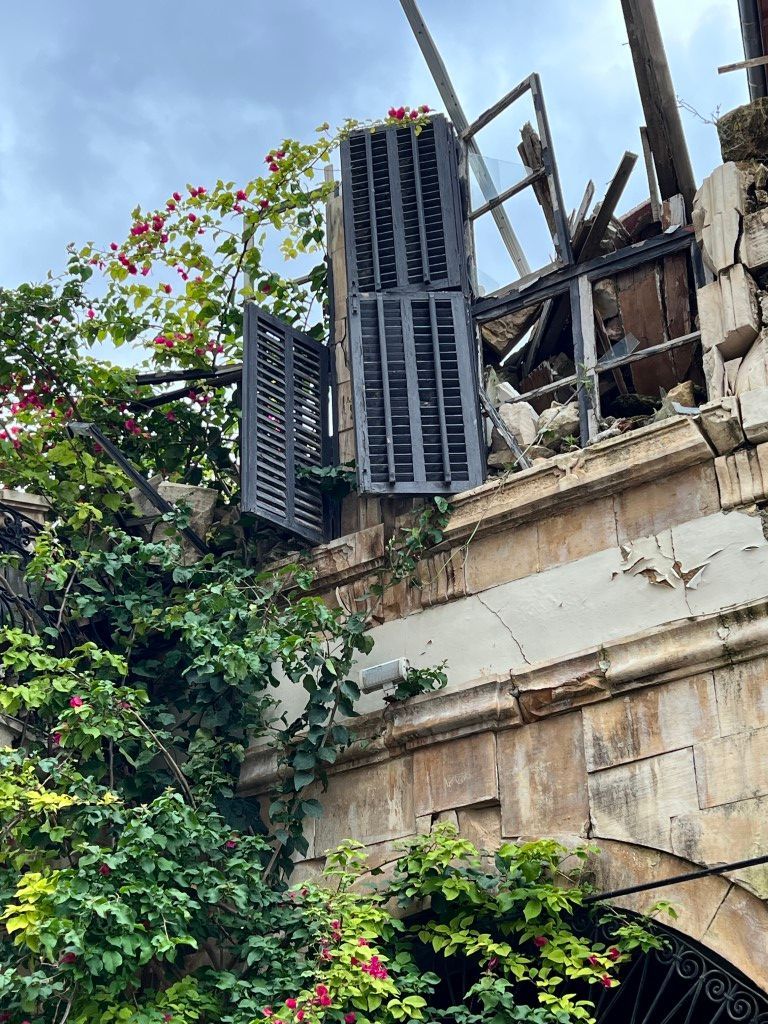
Antioch, Turkey earthquake devastation

Pictures cannot faithfully represent the impact the devastation has on you once you are on site. Still, the locals are resilient and will rebuild their city and culture. Indeed, the locals want visitors to come, rather than staying away for the time being. That is easier said than done, however, with only a couple of hotels partially open at the earthquake’s epicenter.


Our first treat was Kunefe at the café under the large oak tree. Here, the desert is made as it has always been – over an outdoor grill. Visitors can take photos and videos of the process. Once it is ready (after the signature flip), ground pistachios are applied liberally. Best not to make lunch plans afterwards, because kunefe can be filling.

We then headed to another eatery, which brought an assortment of dishes for us to try. The food is ready as soon as you arrive, so hungry eaters do not need to wait. Here we enjoyed the local hummus and bread, as well as a wide variety of other dishes.


We then walked around what was left of the local bazaar, trying a couple of breads and sweets along the way. Afterwards, we headed to one of the many construction sites located around Antioch. Here we met Queen, a nickname she must have earned because she is the queen of the kitchen. She put out a spread for us that was one of the best meals we had while in Turkey. 
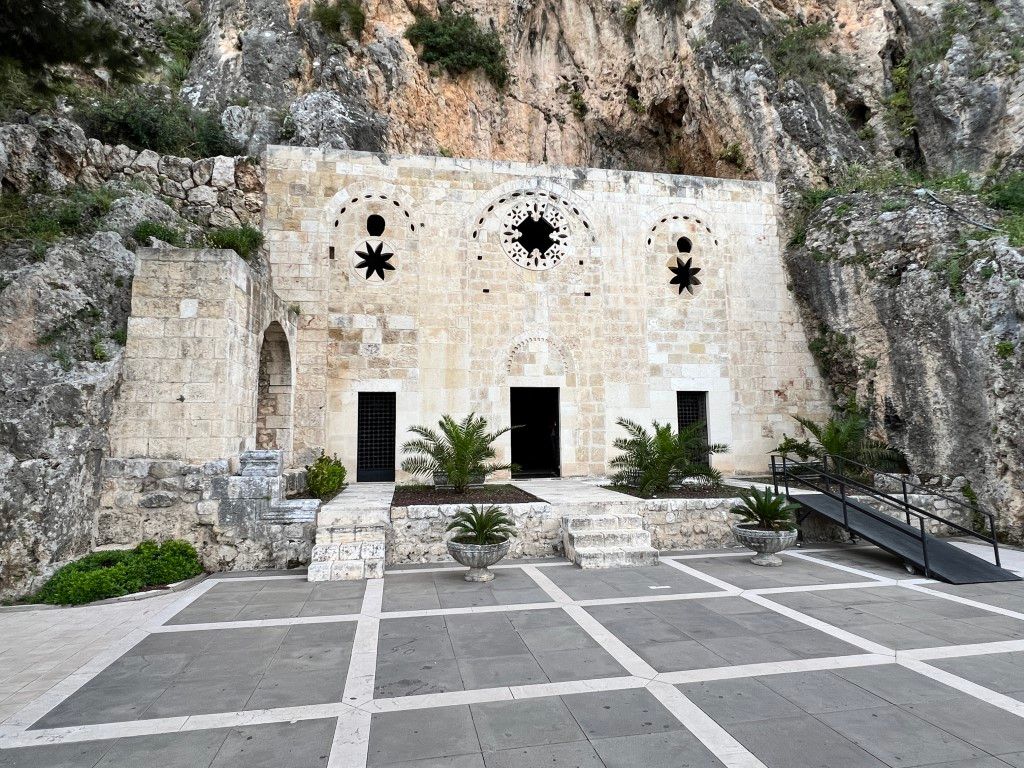
Koz Castle & First Christian Church

After the amazing lunch, we visited St Peter's Church (pictured above), which was both the first Christian church as well as the first church carved out of a cave. The site has just reopened after the earthquake. From the elevation, you can see the extent of the devastation across Antioch.


From there, we visited the Altınözü region, and the Hazek Women Producers Cooperative, an organization with an array of job training initiatives for local women. At the facility, they have weaving, food production and wellness items production. And thankfully, credit cards are accepted! You won't be able to leave before buying some candied walnuts in jars, some woven bread baskets or some handmade soaps.


We then drove out to Antioche Vineyards (pictured below). This vineyard was established in 2007 and has gained recognition for its cultivation and production of wines from the Barburi grape, among others. Located in Topboğazı, Hatay, it offers a unique glimpse into the region's rich winemaking tradition, combining modern techniques with ancient grape varieties like Barburi. The wines are excellent, but you’ll need to find them for sale with a meal in a local restaurant, since the winery is not yet set up for visitors.
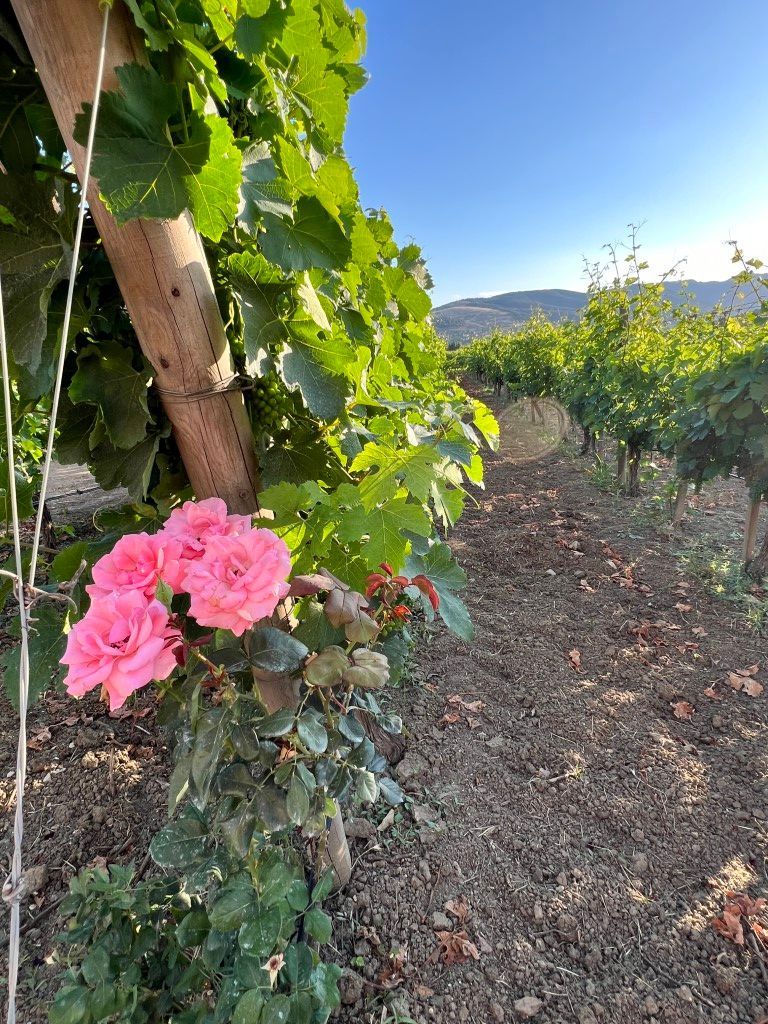
The Barburi grape growing at Antioche Vineyards

On the following day, we met colleagues at the Antioch Container Bazaar Visi, from where we proceeded to tour the environs, including the Samandağ Region and shore (Titus Tunnel, Hidirbey and Vakifli Villages). We also visited the waterfalls in the Harbiye region and met some local producers there. We picked up a few spices here, since our host guaranteed they would be fresher than in Istanbul.
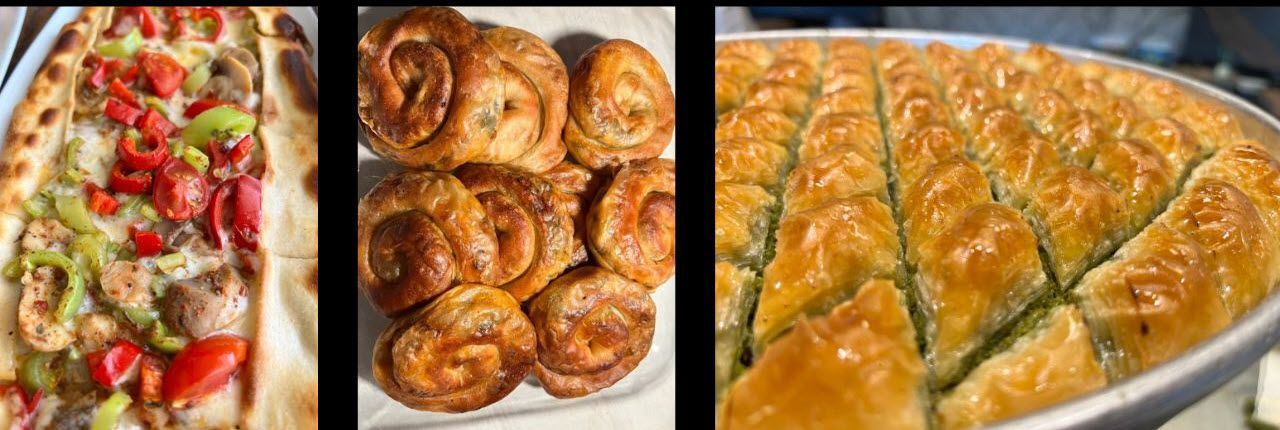
Various Turkish foods

The next day, we drove to Ankara where we visited the Antikya workshop, a commercial kitchen where recipes from the Antioch area are preserved in the form of quality products for purchase (pictured below). We walked away with the famous and rich tomato paste (including both regular and a spicy one), herbs, Turkish olive oil and some lovely cardamom and date cookies. The Antikya kitchen serves takeaway lunches, and also acts as a kind of a gourmet ingredient supply shop for those wishing to cook in the Antioch style. Despite the devastating earthquake, the region’s cuisine, recipes, hopes and dreams are preserved in the Antikya workshop.


From there, we proceed to dinner with the Ankara Gastronomy Society, a club of local business leaders who are also gourmands. The theme of the meal was innovative Antioch cuisine, which is another way a local group is helping to keep the Antioch culinary culture alive. The meal and conversation were extraordinary. One lovely and unforgettable dish was the poached artichoke served as a dessert.
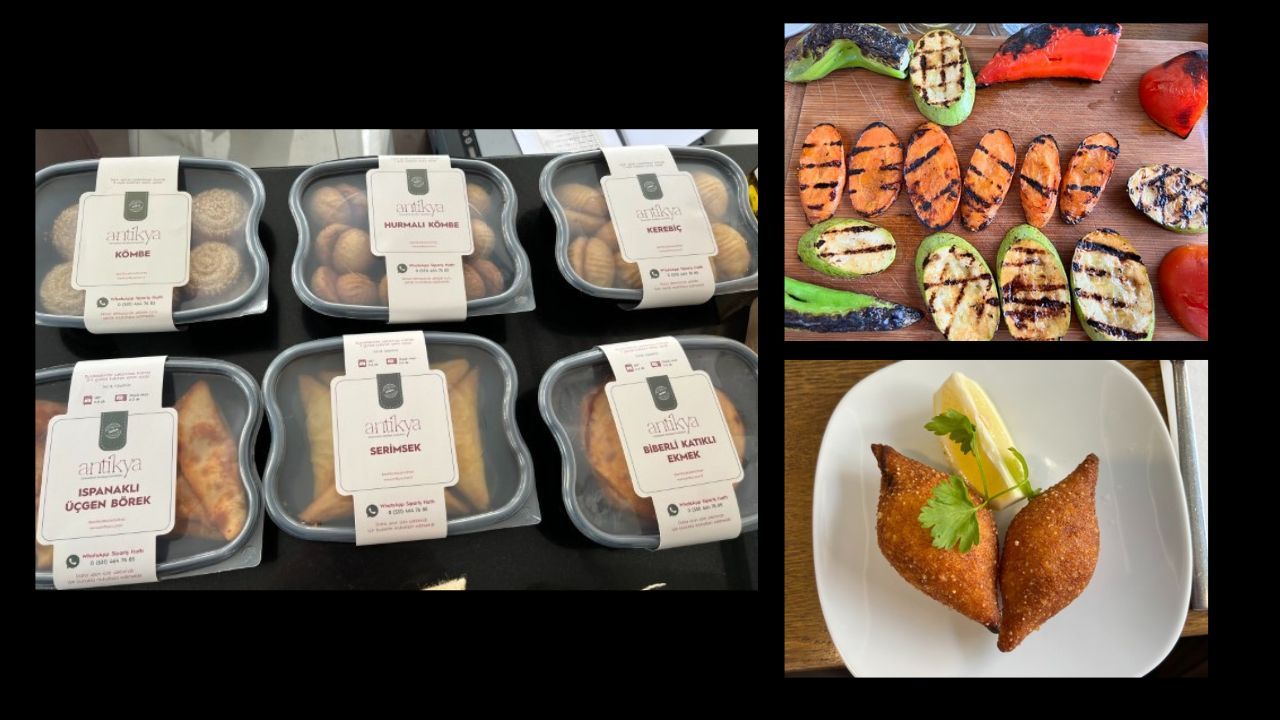
Various Turkish foods

All in all, our tour of the area opened our eyes to what is meant by “Turkish” cuisine. Apparently there are as many as 7 different regions, each with its own unique twist on what “Turkish” cuisine means. We loved the flavors of the Antioch/Hatay area, which will always be amongst our favorites. And more importantly, we were positively overwhelmed by the generosity and hospitality of the Turkish people in the region. Despite their numerous crises in recent years, they were still smiling. They were rebuilding their businesses. And they were continuing to dream of what their future will be like, once the dust has settled again.


We would like to extend a very special thanks to Akin Aydeger and his family for making this trip possible.
Promotion for culinary capitals an innovative destination certification and development program for unknown destinations
Taste of place podcast listen to our culinary travel and culture podcast with erik wolf
Food
A membership page with a picture of pancakes on a plate.
11 January 2026
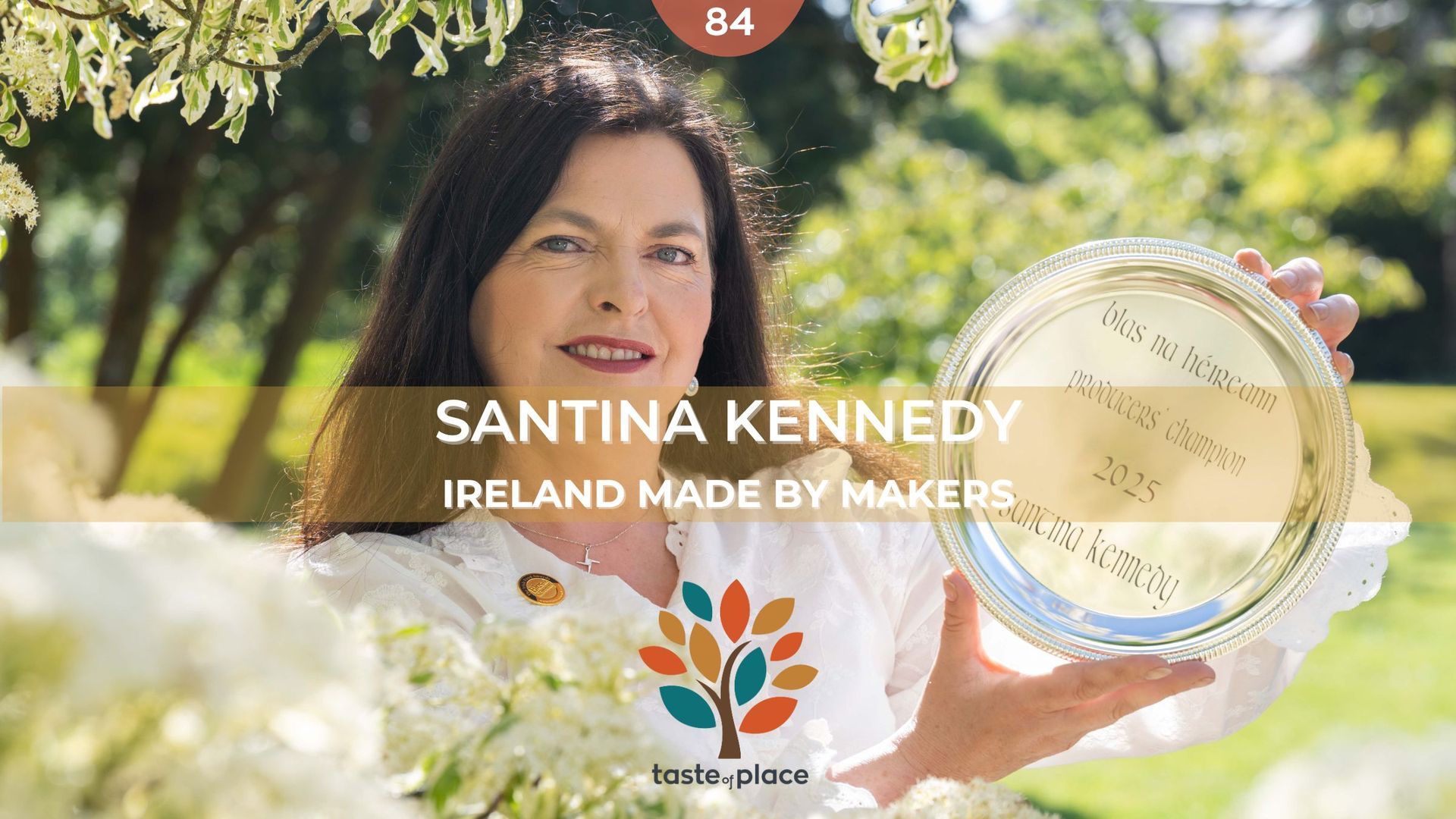
In this episode, Erik Wolf speaks with Santina Kennedy, an award-winning Irish food consultant, producer champion, and storyteller whose work bridges food history, culture, and contemporary experience design. Santina shares her unconventional journey from banking to café ownership, and ultimately to a vocation that did not exist when she was young: interpreting Irish food culture through storytelling, events, and strategic collaborations. She reflects candidly on delayed purpose, entrepreneurship without capital, and why genuine hospitality matters more than polish or scale. The conversation explores Ireland’s overlooked food narratives - from tenant farmers and kitchen workers to everyday staples like potatoes, butter, and bread - and how these stories can be brought to life through immersive experiences in galleries, estates, and public institutions. Santina also dives deeply into Irish whiskey, explaining how history, resilience, terroir, and innovation are expressed in mash bills, grains, and pairing traditions. A standout theme is Santina’s advocacy for St. Brigid as Ireland’s original food and hospitality patron, and her work elevating Brigid’s legacy through food, drink, poetry, and craft. The episode concludes with a thoughtful discussion on regional food networks, particularly County Wicklow, and why Ireland must first teach its own people to value their food culture before expecting visitors to understand it. This is a rich, reflective conversation about identity, resilience, and the power of food to tell the true story of a place. You can learn more about Santina here . The Taste of Place podcast is sponsored by the World Food Travel Association’s Taste of Place movement. Taste of Place is a global initiative that celebrates culinary culture, food heritage, and the makers behind them. Through the movement, travelers and consumers are encouraged to connect more deeply with destinations and products through their unique flavors and traditions. Learn more at JoinTasteofPlace.org . 🎙️ Available now on Spotify, iTunes & your favorite podcast platforms (Search for "Taste of Place") 📺 Prefer video? Watch it now on our YouTube channel . Or listen here now:
5 January 2026
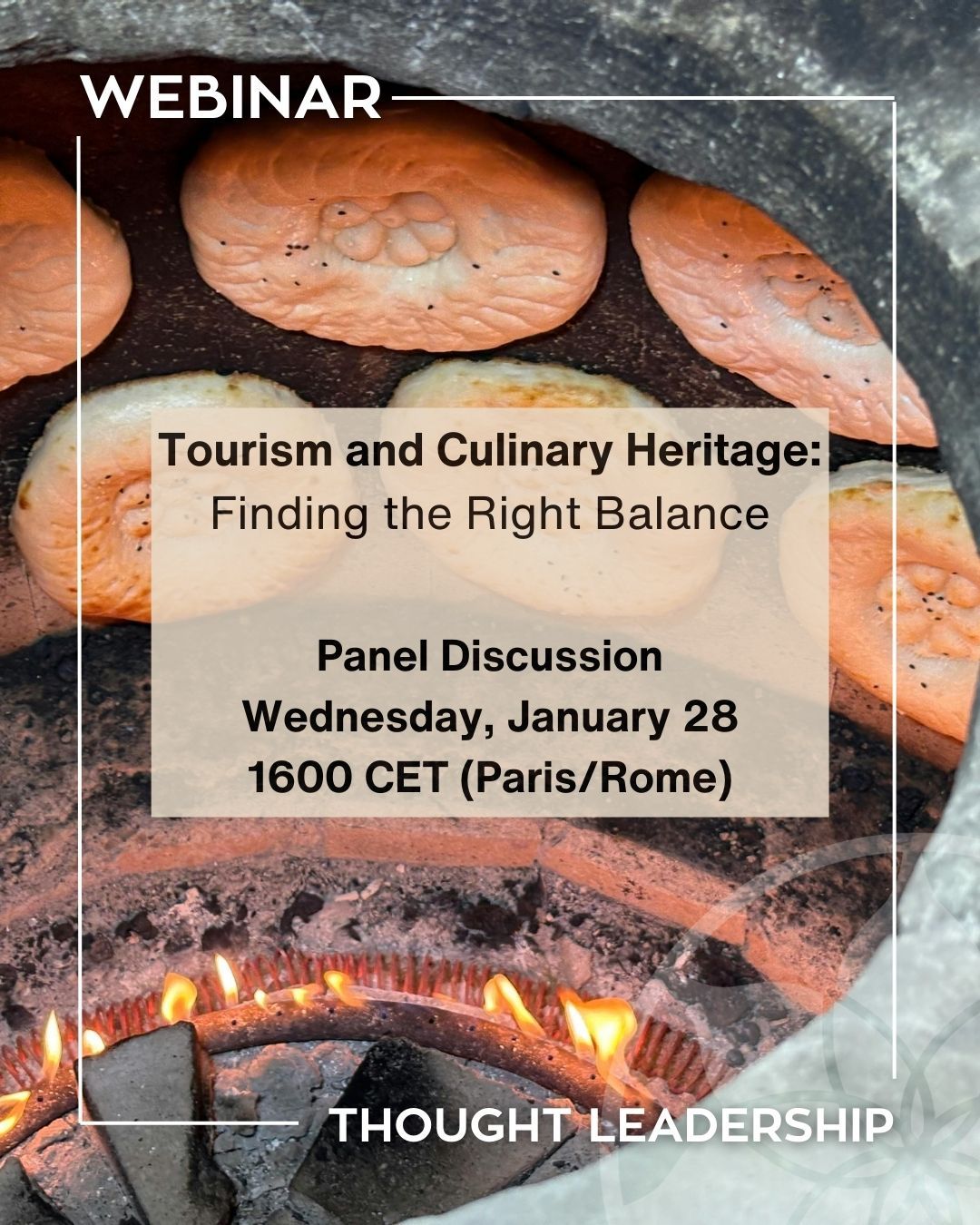
REGISTER NOW As interest in local food cultures continues to grow, destinations face increasingly complex choices. Tourism can support culinary heritage by strengthening local economies and raising awareness of food traditions. At the same time, poorly managed promotion can simplify, commodify, or distort cultural practices. This webinar brings together perspectives from across the system to examine how tourism and culinary heritage can coexist more responsibly. Panelists: - Janice Ruddock, Executive Director, Ontario Craft Brewers Association - Sean O’Rourke, President, Eat & Walkabout Tours - Niclas Fjellström, Executive Director, Culinary Heritage Network - Erik Wolf, Executive Director, World Food Travel Association The discussion will be moderated by Marc Checkley, a Lausanne-based storyteller, journalist, and experienced event host with a background in food, wine, travel, and cultural programming. Topics include: Recognizing culinary heritage as living culture rather than a static product Understanding how tourism and markets influence tradition over time Identifying where destinations most often struggle to find balance Applying practical principles for responsible promotion and stewardship This session is relevant for destination marketers, tourism offices, policymakers, producer associations, educators, and anyone working at the intersection of food, culture, and place. There is no cost to attend. REGISTER NOW
by Erik Wolf 1 January 2026
In 2025, the World Food Travel Association focused on strengthening culinary culture as living heritage, supporting the people and practices that sustain it, and building informed global collaboration rooted in values rather than prestige. Advanced the Taste of Place Movement and Alliance We clarified and communicated the purpose of the Taste of Place Movement — a global effort dedicated to safeguarding culinary heritage and empowering the keepers of food culture in alignment with the Declaration for the Preservation of Culinary Heritage . The Taste of Place Alliance framework was defined to support destinations, organizations, and practitioners who share these values. We also invite those who support this mission to join the Movement through philanthropic contributions. Do you represent a destination? Please contact us to learn how your destination can participate. Delivered Strategic Advisory and Destination Engagement Work We conducted destination-level analysis and advisory engagement in diverse regions, including the Bothnian Bay area of Sweden and Finland and with Saudi Arabia’s Culinary Arts Commission , to help partners explore how food culture, regional identity, and cooperation can contribute to responsible cultural and economic resilience. Updated Professional Training Programs All certification and training programs were updated with current research, terminology, and real-world cases. Regular refresh cycles ensure that practitioners receive instruction that reflects the most accurate and relevant information available. Built Relationships Through Targeted Engagement We engaged directly with destinations, stakeholders, and partners through site visits and industry events, including exploratory meetings in Umbria, Italy and participation in World Travel Market , to listen, assess alignment, and foster partnerships grounded in cultural integrity. Expanded and Recognized Leadership Within Our Global Network In 2025 we welcomed new Ambassadors from diverse regions, including Chef Dela Acolatse ( Ghana ) and Gerald Kock ( Aruba ), and named Mabel Esther Vega Montaño ( Colombia ) as our first Taste of Place Guardian, recognizing her lifelong commitment to ancestral knowledge and rural food culture. These appointments reinforce our values as articulated in the Declaration for the Preservation of Culinary Heritage. Interested in becoming an Ambassador or Guardian in your area? If you share our values and commitment, please get in touch . Honored Outstanding Contributions to the Field We awarded the 2025 Lifetime Achievement Award to Francesc Fusté-Forné (Girona, Spain) in recognition of his distinguished career advancing food tourism research, education, and understanding of culinary culture. We also invited the community to nominate other individuals whose work has made enduring contributions to our field. Provided Global Advocacy Through Editorial and Media Platforms We continued to interpret and elevate global developments in newsletters and digital content, and through the Taste of Place Podcast , which released 11 episodes in 2025 featuring inspiring leaders. Notable episodes included “Peace Through Food” with Paula Mohammed, “The Sweet Taste of Ethics” featuring Veronica Peralta on ethical chocolate, and “From Tunisia With Flavor” with Jamie Furniss on repositioning Tunisian cuisine for travelers. By sharing these conversations, we reinforced food as cultural heritage and connected listeners with makers and culture bearers.
31 December 2025
🎧 New Podcast Episode Alert! Episode 83: “Why Artisanal Still Matters” featuring Heike Winter What happens when you completely reinvent your life at 50—and return to the culinary traditions that shaped you? In Episode 82, host Erik Wolf speaks with Daniela Sfara, the Canadian-Italian chef, cultural ambassador, and founder of ITALUS whose mission is to preserve the disappearing regional foodways of Italy. Daniela shares her extraordinary personal transformation from a 20-year jewellery career to becoming a respected voice in culinary culture, hospitality excellence, and immersive food experiences across Italy, Dubai, Europe, and North America. Daniela’s story is one of resilience, reinvention, and deep cultural stewardship. Whether you work in food, tourism, hospitality, or simply love Italian cuisine, this is an inspiring reminder that food is identity, and preserving culinary heritage is an act of service to future generations. 🎙️ Available now on Spotify, iTunes & your favorite podcast platforms (Search for "Taste of Place") 📺 Prefer video? Watch it now on our YouTube channel. Or listen here now:
Road stretching towards the setting sun. Golden sky, open fields.
31 December 2025
ARUBA (Gerald Kock) Savaneta Seafood Festival: A Model for Community-Led Food Touri sm in Aruba The inaugural Savaneta Seafood Festival, held on September 28, 2025, by Fundación Savaneta Prome Capital, marked a significant moment in Aruba’s culinary and cultural calendar. In the island’s first capital, seaside streets were transformed into a pedestrian-only celebration where food, music, and heritage came together as a powerful expression of local identity. Attracting an estimated 6,000 visitors, the festival demonstrated strong demand for authentic, community-driven experiences among both residents and travelers. Central to the event was an “Ocean-to-Plate” revival. Twenty-four local vendors showcased seafood such as snails, conch, shrimp, and lobster, prepared using traditional family recipes and fresh local herbs. The festival also revived a local fishing tournament for the first time in 40 years. Approximately 30 boats and 100 fishermen landed a collective catch of 880 kg, reinforcing the connection between sea, community, and tradition. Part of the catch was donated and grilled on-site by local chefs, allowing visitors to experience the full journey from ocean to plate - a powerful symbol of sustainability, generosity, and shared pride. Beyond gastronomy, the festival elevated local culture and entrepreneurship through art, crafts, and music, positioning Savaneta as a living example of how cultural heritage and economic opportunity can thrive together. From the perspective of Food Tourism Ambassadors for the World Food Travel Association, the festival offers a replicable framework for Aruba’s future: a model in which each district expresses its distinct identity through food, storytelling, and place-based experiences. The Savaneta Seafood Festival stands as proof that culinary heritage can strengthen community resilience and support sustainable tourism. More than a single event, it presents a compelling vision of how small places can achieve meaningful global impact through food.
14 December 2025
🎧 New Podcast Episode Alert! Episode 82: “Cooking by Heart, Not by Recipe” featuring Daniela Sfara What happens when you completely reinvent your life at 50—and return to the culinary traditions that shaped you? In Episode 82, host Erik Wolf speaks with Daniela Sfara, the Canadian-Italian chef, cultural ambassador, and founder of ITALUS whose mission is to preserve the disappearing regional foodways of Italy. Daniela shares her extraordinary personal transformation from a 20-year jewellery career to becoming a respected voice in culinary culture, hospitality excellence, and immersive food experiences across Italy, Dubai, Europe, and North America. Daniela’s story is one of resilience, reinvention, and deep cultural stewardship. Whether you work in food, tourism, hospitality, or simply love Italian cuisine, this is an inspiring reminder that food is identity, and preserving culinary heritage is an act of service to future generations. 🎙️ Available now on Spotify, iTunes & your favorite podcast platforms (Search for "Taste of Place") 📺 Prefer video? Watch it now on our YouTube channel. Or listen here now:
More posts