Perspectivas de la Educación Gastronómica
13 November 2020
Educación Gastronómica

Por muchos años el qué comer y cómo prepararlo fueron considerados temas “sin mucho condumio”, al menos no lo suficiente para ser tratados a nivel científico y académico. Incluso después de que se utilizara por primera vez el término “gastronomía”, los asuntos relacionados con la comida seguían siendo una especie de tema de segunda categoría, del tipo que sólo se esperaba que formara parte de conversaciones irrelevantes entre amas de casa o personas de servicio, definitivamente no un objeto lo suficientemente trascendente como para merecer un análisis o una investigación posterior. Este bajo interés de la comunidad científica hacia los temas culinarios se mantuvo hasta no hace muchos años, lo que podría estar relacionado con la percepción del tema como algo muy común o cercano a la vida cotidiana, o incluso con el hecho de que ha estado históricamente vinculado al papel de la mujer. El machismo no facilitó que las expresiones gastronómicas fueran analizadas con mayor profundidad.

Si bien el alimentarse es una actividad que responde a una necesidad biológica y es común a todos los seres vivos el planeta, para nosotros como seres humanos, el comer y la relación que construimos con los alimentos, adquirió desde el inicio de las sociedades un significado mucho más profundo que rebasa por mucho la necesidad de incorporar nutrientes al organismo para completar las necesidades vitales.

Desde la antigüedad, la calidad de los alimentos, su nivel nutricional y la disponibilidad de estos recursos en el medio ambiente (en dependencia a estaciones y regiones),  ejercieron una poderosa influencia en casi todas las actividades humanas, así como en el diseño de sus estructuras económicas y sociales. Varios acontecimientos históricos como muchos de los principales procesos migratorios y de conquista, fueron motivados por temas relacionados a alimentos, por ejemplo, para acceder o adquirir tierras más fértiles, lo que garantizaría un mayor abastecimiento para el desarrollo de las sociedades, o tal vez para dominar la producción y comercio de ciertos productos de gran demanda.  Los grupos humanos que mejor se adaptaron a su entorno y desarrollaron las técnicas más eficaces para disponer de alimentos durante todo el año, fueron los que más desarrollaron sus sociedades. El tener una mejor alimentación es uno de los factores clave que les permitió soportar enfermedades, prevalecer en condiciones climáticas más difíciles y evolucionar en sus capacidades físicas e intelectuales.  Asegurar el acceso a los alimentos, fue y sigue siendo una condición inicial para permitir que las personas centren sus esfuerzos y atención en satisfacer otras necesidades con una ubicación más elevada en la pirámide de Maslow. Entre esas diferentes habilidades y destrezas, permitidas por el cumplimiento de esas primeras condiciones, están aquellas que ahora reconocemos como ciencia, arte y muchas otras expresiones culturales que nos hacen humanos.

Fue quizás en reconocimiento del potencial de influencia de los alimentos o de su papel predominante como fuente de energía y progreso para la gente, que varias culturas han dado un valor simbólico a muchos de los productos que usaban en la cocina, incluso en algunos casos incorporándolos como elementos sagrados de su cosmovisión y parte de sus leyendas. En la misma línea, hay algunos recursos y productos que tienen una percepción negativa o positiva de acuerdo con una religión específica o el sistema de creencias de la sociedad desde la que se esté evaluando su consumo.

Pero la gastronomía es un concepto que va mucho más allá de los ingredientes, recetas o técnicas utilizadas para preparar la comida. Su principal valor permanece en su faceta de expresión social. No podemos pensar en ningún evento, celebración o reunión que no incluya como uno de sus elementos principales el compartir algún tipo de alimento. Incluso podemos reconocer algunas preparaciones que están relacionadas con eventos específicos que celebramos colectivamente, como festivales nacionales y religiosos, y que varían de un pueblo a otro. En Ecuador, por ejemplo, no podríamos imaginar una Semana Santa sin probar al menos un plato de la deliciosa Fanesca, una sopa fuerte que se asemeja y representa elementos de lo que la comunidad católica conmemora en esos días. Así mismo, las celebraciones particulares que cada persona tiene durante su vida como cumpleaños, matrimonios, bautizos, aniversarios, y otros, no pueden ser planeadas sin pensar en lo que se va a ofrecer y compartir en la mesa.

Por otra parte, el cultivo, la recolección, la preparación y la degustación de productos alimenticios son actividades que permiten varios tipos de interacción entre las personas. Cada grupo humano, aplicando el legado que recibió de sus antepasados y sus propias experiencias, imprime su propia forma de ver, interpretar y ejecutar cada una de esas actividades relacionadas con los alimentos y las bebidas. Esa combinación genera el conjunto de rasgos que podemos identificar como la personalidad única que cada región tiene en su expresión gastronómica

Considerando lo descrito, podemos calificar a la gastronomía como una expresión social en evolución, que cumple todos los requisitos para ser considerada parte del patrimonio intangible de un destino. De hecho, desde el punto de vista de los viajes y el turismo, la gastronomía es uno de los recursos más interesantes y potenciales para exponer la riqueza cultural de un destino al visitante, debido a su evidente vínculo con la historia, el territorio, las creencias y las ideologías del colectivo humano que la elabora. Además, la posibilidad de impactar a los visitantes a nivel sensorial, mientras se degustan o se viven las actividades gastronómicas, puede generar experiencias más intensas e inmersivas, que crean recuerdos imperecederos y aumentan la satisfacción de los visitantes durante toda la visita.

Tal vez no haya una puerta más agradable y eficaz para conocer la esencia de un destino que la inmersión en la gastronomía del lugar. Es este poderoso potencial de vincular otros elementos e impactar a los visitantes en un nivel multisensorial lo que hace que la gastronomía, pueda considerarse sino la puerta perfecta, la más efectiva para exponer varios de los rasgos naturales y culturales más interesantes de un destino, pero esto dependerá completamente de la historia que acompañe a esta experiencia. Ahí es donde el papel del guía o intérprete turístico es preponderante. Su intervención permitirá identificar y valorar el recurso gastronómico vinculándolo con los antecedentes históricos, el terruño y las características culturales de las personas a las que representa la comida degustada. El turista puede así comprender el contexto y el valor de lo que se le presenta, haciendo que la degustación de las preparaciones y sus ingredientes tradicionales sea una experiencia aún más profunda y placentera.

Pero es importante señalar que, si bien este potencial que tiene la gastronomía como elemento cultural ha levantado en las últimas décadas el interés de investigadores y académicos, mucho del conocimiento e información sobre los aspectos gastronómicos que son de interés para un visitante no se remiten exclusivamente a las aulas universitarias. Hay muchos profesionales de la industria turística que han trabajado con temas culinarios y cuentan con el bagaje para desempeñar este rol tan importante de intermediación, entre el recurso y el visitante. Para estos profesionales, guías turísticos y operadores de tours existe la opción de completar su entrenamiento y validar su conocimiento y experiencia mediante las capacitaciones y certificaciones que la World Food Travel Association ofrece.

Entre hoy mismo en nuestra sección de educación y elija el programa que mejor se adapte a sus expectativas. Dirigidos tanto a profesionales individuales, como a empresas, podemos ayudarle a complementar sus habilidades y destrezas para guiar, diseñar, desarrollar y ejecutar efectivamente tours gastronómicos que se conviertan en experiencias memorables para sus clientes.

Autor Lilí Torres C. Redactor Erik Wolf.
Promotion for culinary capitals an innovative destination certification and development program for unknown destinations
Taste of place podcast listen to our culinary travel and culture podcast with erik wolf
Food
A membership page with a picture of pancakes on a plate.
11 January 2026
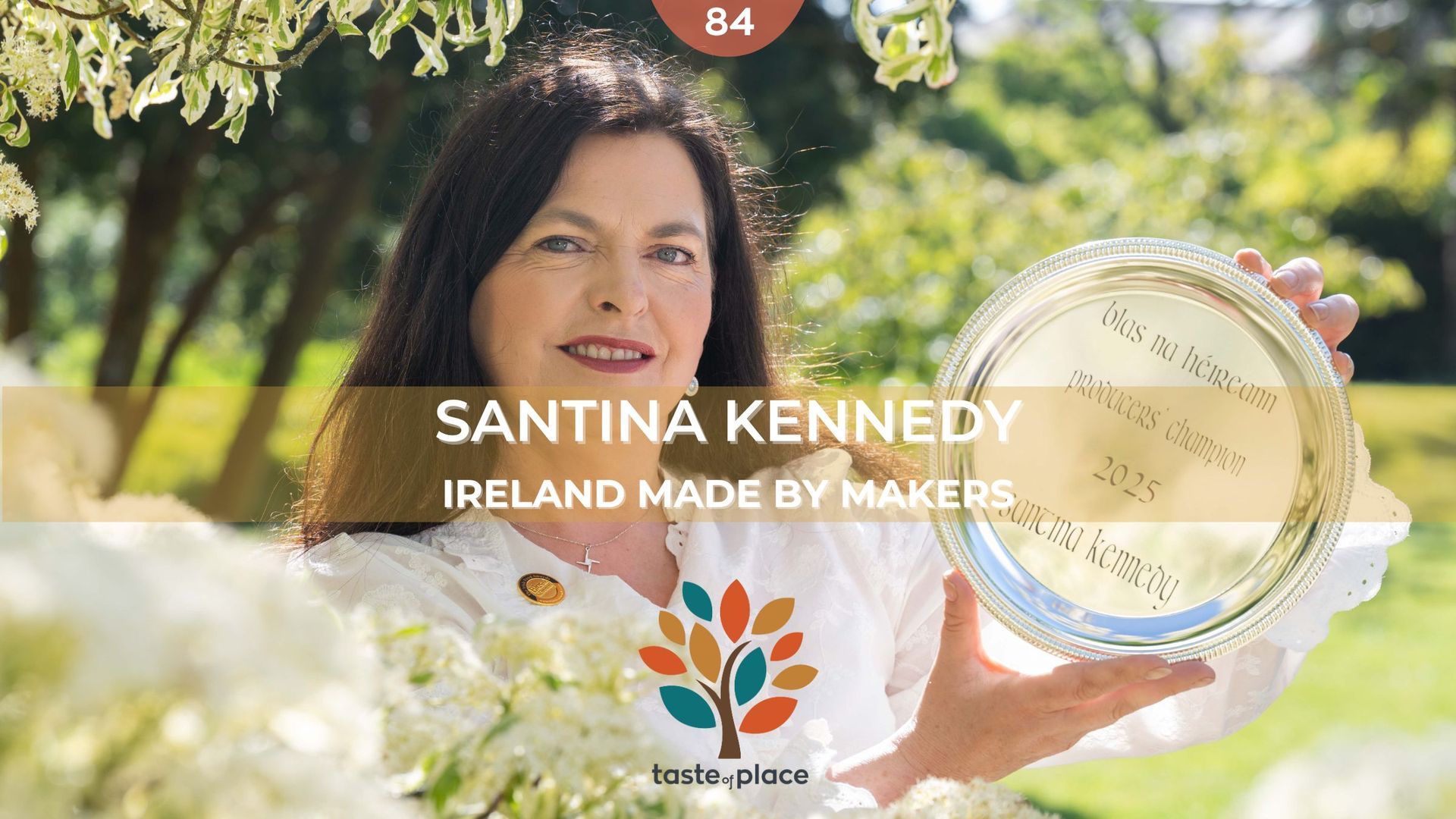
In this episode, Erik Wolf speaks with Santina Kennedy, an award-winning Irish food consultant, producer champion, and storyteller whose work bridges food history, culture, and contemporary experience design. Santina shares her unconventional journey from banking to café ownership, and ultimately to a vocation that did not exist when she was young: interpreting Irish food culture through storytelling, events, and strategic collaborations. She reflects candidly on delayed purpose, entrepreneurship without capital, and why genuine hospitality matters more than polish or scale. The conversation explores Ireland’s overlooked food narratives - from tenant farmers and kitchen workers to everyday staples like potatoes, butter, and bread - and how these stories can be brought to life through immersive experiences in galleries, estates, and public institutions. Santina also dives deeply into Irish whiskey, explaining how history, resilience, terroir, and innovation are expressed in mash bills, grains, and pairing traditions. A standout theme is Santina’s advocacy for St. Brigid as Ireland’s original food and hospitality patron, and her work elevating Brigid’s legacy through food, drink, poetry, and craft. The episode concludes with a thoughtful discussion on regional food networks, particularly County Wicklow, and why Ireland must first teach its own people to value their food culture before expecting visitors to understand it. This is a rich, reflective conversation about identity, resilience, and the power of food to tell the true story of a place. You can learn more about Santina here . The Taste of Place podcast is sponsored by the World Food Travel Association’s Taste of Place movement. Taste of Place is a global initiative that celebrates culinary culture, food heritage, and the makers behind them. Through the movement, travelers and consumers are encouraged to connect more deeply with destinations and products through their unique flavors and traditions. Learn more at JoinTasteofPlace.org . 🎙️ Available now on Spotify, iTunes & your favorite podcast platforms (Search for "Taste of Place") 📺 Prefer video? Watch it now on our YouTube channel . Or listen here now:
5 January 2026
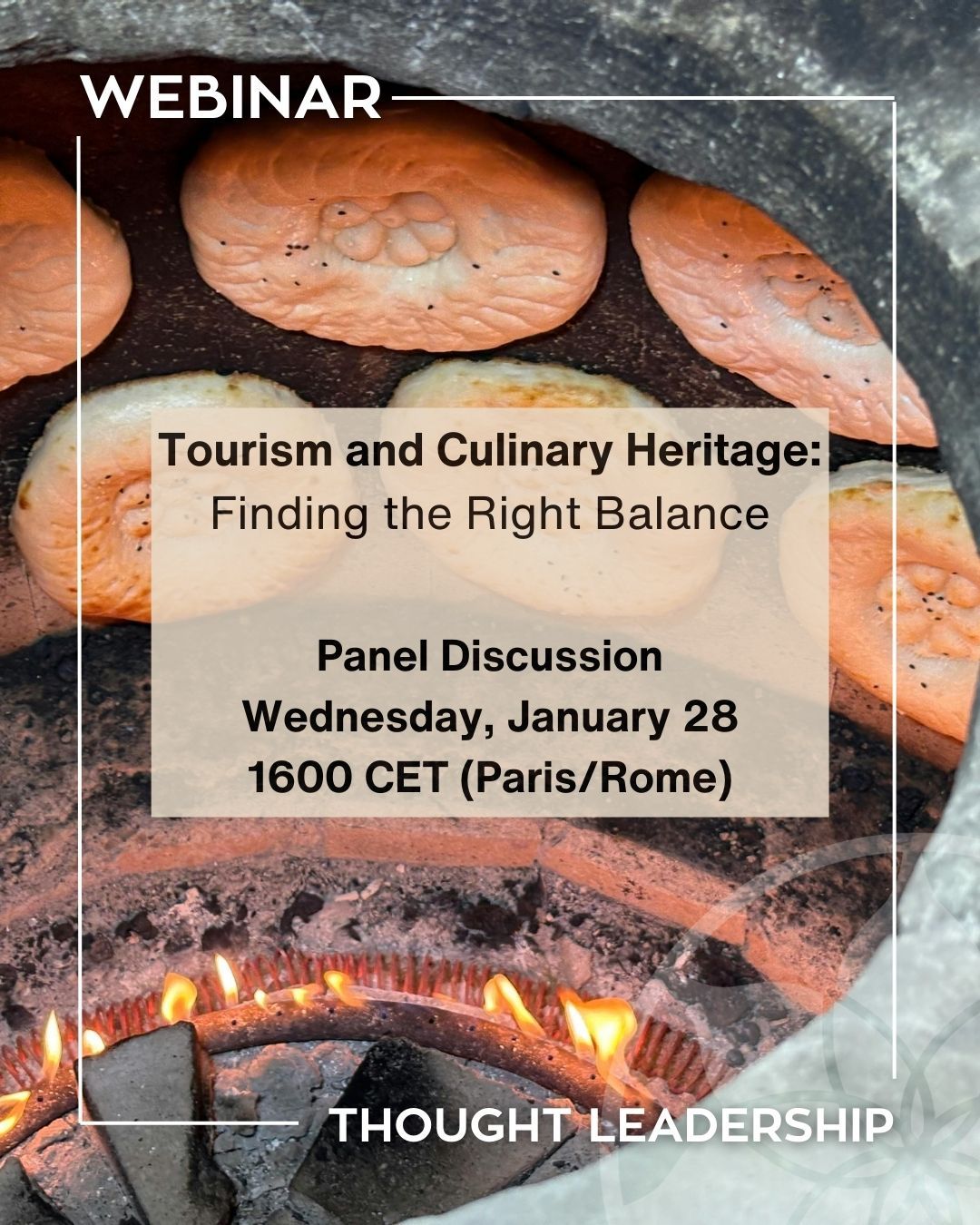
REGISTER NOW As interest in local food cultures continues to grow, destinations face increasingly complex choices. Tourism can support culinary heritage by strengthening local economies and raising awareness of food traditions. At the same time, poorly managed promotion can simplify, commodify, or distort cultural practices. This webinar brings together perspectives from across the system to examine how tourism and culinary heritage can coexist more responsibly. Panelists: - Janice Ruddock, Executive Director, Ontario Craft Brewers Association - Sean O’Rourke, President, Eat & Walkabout Tours - Niclas Fjellström, Executive Director, Culinary Heritage Network - Erik Wolf, Executive Director, World Food Travel Association The discussion will be moderated by Marc Checkley, a Lausanne-based storyteller, journalist, and experienced event host with a background in food, wine, travel, and cultural programming. Topics include: Recognizing culinary heritage as living culture rather than a static product Understanding how tourism and markets influence tradition over time Identifying where destinations most often struggle to find balance Applying practical principles for responsible promotion and stewardship This session is relevant for destination marketers, tourism offices, policymakers, producer associations, educators, and anyone working at the intersection of food, culture, and place. There is no cost to attend. REGISTER NOW
by Erik Wolf 1 January 2026
In 2025, the World Food Travel Association focused on strengthening culinary culture as living heritage, supporting the people and practices that sustain it, and building informed global collaboration rooted in values rather than prestige. Advanced the Taste of Place Movement and Alliance We clarified and communicated the purpose of the Taste of Place Movement — a global effort dedicated to safeguarding culinary heritage and empowering the keepers of food culture in alignment with the Declaration for the Preservation of Culinary Heritage . The Taste of Place Alliance framework was defined to support destinations, organizations, and practitioners who share these values. We also invite those who support this mission to join the Movement through philanthropic contributions. Do you represent a destination? Please contact us to learn how your destination can participate. Delivered Strategic Advisory and Destination Engagement Work We conducted destination-level analysis and advisory engagement in diverse regions, including the Bothnian Bay area of Sweden and Finland and with Saudi Arabia’s Culinary Arts Commission , to help partners explore how food culture, regional identity, and cooperation can contribute to responsible cultural and economic resilience. Updated Professional Training Programs All certification and training programs were updated with current research, terminology, and real-world cases. Regular refresh cycles ensure that practitioners receive instruction that reflects the most accurate and relevant information available. Built Relationships Through Targeted Engagement We engaged directly with destinations, stakeholders, and partners through site visits and industry events, including exploratory meetings in Umbria, Italy and participation in World Travel Market , to listen, assess alignment, and foster partnerships grounded in cultural integrity. Expanded and Recognized Leadership Within Our Global Network In 2025 we welcomed new Ambassadors from diverse regions, including Chef Dela Acolatse ( Ghana ) and Gerald Kock ( Aruba ), and named Mabel Esther Vega Montaño ( Colombia ) as our first Taste of Place Guardian, recognizing her lifelong commitment to ancestral knowledge and rural food culture. These appointments reinforce our values as articulated in the Declaration for the Preservation of Culinary Heritage. Interested in becoming an Ambassador or Guardian in your area? If you share our values and commitment, please get in touch . Honored Outstanding Contributions to the Field We awarded the 2025 Lifetime Achievement Award to Francesc Fusté-Forné (Girona, Spain) in recognition of his distinguished career advancing food tourism research, education, and understanding of culinary culture. We also invited the community to nominate other individuals whose work has made enduring contributions to our field. Provided Global Advocacy Through Editorial and Media Platforms We continued to interpret and elevate global developments in newsletters and digital content, and through the Taste of Place Podcast , which released 11 episodes in 2025 featuring inspiring leaders. Notable episodes included “Peace Through Food” with Paula Mohammed, “The Sweet Taste of Ethics” featuring Veronica Peralta on ethical chocolate, and “From Tunisia With Flavor” with Jamie Furniss on repositioning Tunisian cuisine for travelers. By sharing these conversations, we reinforced food as cultural heritage and connected listeners with makers and culture bearers.
31 December 2025
🎧 New Podcast Episode Alert! Episode 83: “Why Artisanal Still Matters” featuring Heike Winter What happens when you completely reinvent your life at 50—and return to the culinary traditions that shaped you? In Episode 82, host Erik Wolf speaks with Daniela Sfara, the Canadian-Italian chef, cultural ambassador, and founder of ITALUS whose mission is to preserve the disappearing regional foodways of Italy. Daniela shares her extraordinary personal transformation from a 20-year jewellery career to becoming a respected voice in culinary culture, hospitality excellence, and immersive food experiences across Italy, Dubai, Europe, and North America. Daniela’s story is one of resilience, reinvention, and deep cultural stewardship. Whether you work in food, tourism, hospitality, or simply love Italian cuisine, this is an inspiring reminder that food is identity, and preserving culinary heritage is an act of service to future generations. 🎙️ Available now on Spotify, iTunes & your favorite podcast platforms (Search for "Taste of Place") 📺 Prefer video? Watch it now on our YouTube channel. Or listen here now:
Road stretching towards the setting sun. Golden sky, open fields.
31 December 2025
ARUBA (Gerald Kock) Savaneta Seafood Festival: A Model for Community-Led Food Touri sm in Aruba The inaugural Savaneta Seafood Festival, held on September 28, 2025, by Fundación Savaneta Prome Capital, marked a significant moment in Aruba’s culinary and cultural calendar. In the island’s first capital, seaside streets were transformed into a pedestrian-only celebration where food, music, and heritage came together as a powerful expression of local identity. Attracting an estimated 6,000 visitors, the festival demonstrated strong demand for authentic, community-driven experiences among both residents and travelers. Central to the event was an “Ocean-to-Plate” revival. Twenty-four local vendors showcased seafood such as snails, conch, shrimp, and lobster, prepared using traditional family recipes and fresh local herbs. The festival also revived a local fishing tournament for the first time in 40 years. Approximately 30 boats and 100 fishermen landed a collective catch of 880 kg, reinforcing the connection between sea, community, and tradition. Part of the catch was donated and grilled on-site by local chefs, allowing visitors to experience the full journey from ocean to plate - a powerful symbol of sustainability, generosity, and shared pride. Beyond gastronomy, the festival elevated local culture and entrepreneurship through art, crafts, and music, positioning Savaneta as a living example of how cultural heritage and economic opportunity can thrive together. From the perspective of Food Tourism Ambassadors for the World Food Travel Association, the festival offers a replicable framework for Aruba’s future: a model in which each district expresses its distinct identity through food, storytelling, and place-based experiences. The Savaneta Seafood Festival stands as proof that culinary heritage can strengthen community resilience and support sustainable tourism. More than a single event, it presents a compelling vision of how small places can achieve meaningful global impact through food.
14 December 2025
🎧 New Podcast Episode Alert! Episode 82: “Cooking by Heart, Not by Recipe” featuring Daniela Sfara What happens when you completely reinvent your life at 50—and return to the culinary traditions that shaped you? In Episode 82, host Erik Wolf speaks with Daniela Sfara, the Canadian-Italian chef, cultural ambassador, and founder of ITALUS whose mission is to preserve the disappearing regional foodways of Italy. Daniela shares her extraordinary personal transformation from a 20-year jewellery career to becoming a respected voice in culinary culture, hospitality excellence, and immersive food experiences across Italy, Dubai, Europe, and North America. Daniela’s story is one of resilience, reinvention, and deep cultural stewardship. Whether you work in food, tourism, hospitality, or simply love Italian cuisine, this is an inspiring reminder that food is identity, and preserving culinary heritage is an act of service to future generations. 🎙️ Available now on Spotify, iTunes & your favorite podcast platforms (Search for "Taste of Place") 📺 Prefer video? Watch it now on our YouTube channel. Or listen here now:
More posts