O sabor do lugar: Brasil

10 March 2021
A close up of corn on the cob with the words versão em portugues on the bottom

A gastronomia representa o Brasil mais do que futebol e samba

Quando você escuta o nome Brasil , o que lhe vem à mente? Provavelmente samba, futebol e o Rio de Janeiro (que para a surpresa de muitos, não é a capital do país). Acertei?

A imagem do Brasil ao redor do globo foi construída sob certos aspectos culturais que se destacaram mundialmente há um certo tempo. Gêneros musicais como o samba e a bossa nova, originados nas comunidades afro-brasileiras do Rio e consagrados em canções como “ Mas Que Nada ” de Jorge Ben Jor, ganharam a gringa e possuem versões até em outras línguas. Vencer mais vezes a Copa do Mundo (ainda somos penta!) eternizou a imagem de astros como o rei Pelé, o estádio do Maracanã, também no Rio, e a do Brasil como país do futebol. A Cidade Maravilhosa e suas praias, ou a natureza exuberante do Brasil (incluindo-se a importantíssima Floresta Amazônica que necessita ser preservada) estão sempre no imaginário coletivo internacional quando falamos no Brasil.

Futebol, samba, carnaval. Todos esses elementos são motivos de orgulho para o povo brasileiro, mas não chegam nem perto de fazer jus ao tamanho da diversidade cultural desta nação! 

O país continental é o quinto maior em território do mundo – ocupando mais de 5% de todo o planeta Terra, abrigando mais de 212 milhões de pessoas e é considerado o país mais biodiverso que existe! E sabe o que possuir todo esse tamanho, gente e quantidade de flora e fauna significa? Muita comida! Dá para imaginar a quantidade de ingredientes singulares que a maior biodiversidade do mundo tem para oferecer? 

O Brasil é constituído de diversos povos. Nossas comunidades indígenas e afrodescendentes (leia-se a maioria da população brasileira) ainda resistem às ameaças à sua existência e lutam pela sobrevivência de suas vidas e culturas, mesmo após séculos da colonização e fim da escravidão. Somos formados de vários sotaques e até línguas diferentes do português, e dizem que sempre vamos discordar sobre música, política, religião e futebol. Mas, em torno da mesa (ou na internet), o Brasil se une – e eu tenho como provar!

Os próprios brasileiros promovem sua culinária de uma forma divertida e original. A thread do Twitter “This represents Brazil more than soccer and samba” tornou-se viral e seu intuito foi mostrar elementos do dia-a-dia dos brasileiros que são comuns nos cinco cantos da nação. E sobre o que fala grande parte dos memes nessa thread? Itens que remetem às nossas cozinhas, desde pratos típicos da culinária até a objetos e utensílios como louças made in Brasil! Isso só demonstra a importância da gastronomia em nossa cultura e como ela provoca um sentimento de nacionalismo, até mais do que outros elementos culturais que costumam ser mais associados ao Brasil que a comida. Dentre eles, escolhi citar alguns emblemáticos, amados pelo Brasil e muito democráticos.

Um almoço típico com arroz e feijão está no coração e na mesa de todo brasileiro. Por mais que não pareça “único” ou “exclusivo”, uma vez que estamos falando de dois produtos globalizados encontrados basicamente em qualquer parte da Terra, o Brasil tem seu próprio tempero, forma de fazer e até de se comer: reza a lenda que a escolha de servir o feijão sobre ou sob o arroz diz muito sobre o caráter da pessoa. O pê-efe (prato feito) é como carinhosamente chamamos nosso almoço de cada dia, que fica completo com alguma proteína, farofa e salada (também adoramos com batata-frita). As saladas são tão saborosas quanto coloridas, enriquecidas com ingredientes como palmito, pequi, abacaxi, manga e morango. E não se deixe enganar pela “normalidade” dessa expressão culinária, lembre-se que tamanha biodiversidade possui ingredientes que você nunca nem ouviu falar e que o brasileiro é criativo por natureza!

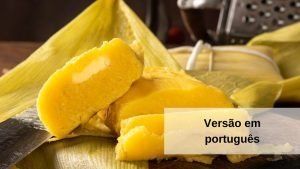
Comidas deliciosas feitas de milho são pratos típicos das famosas Festas Juninas: pamonhas (uma iguaria parecida com o tamale, feita de uma massa de milho, envolta na palha do milho e cozida, temperada doce ou salgada), curau, canjica, mugunzá, angu, bolo de milho, milho assado com manteiga…. Historicamente, junho era a época da colheita do milho e quitutes à base do grão eram preparados em comemoração. Eram não, são. Digo sem pestanejar que as festas juninas reúnem mais brasileiros do que o próprio carnaval: está para nascer o brasileiro que reclame das quermesses de junho. Seus objetivos são unicamente comer, beber e dançar o forró e quadrilhas (a dança específica dessas festas, muito características do Nordeste do país). As festas juninas acontecem durante o inverno brasileiro e são as fogueiras e o quentão (bebida feita com a bebida nacional, a cachaça, fervida com rodelas de limão e laranja e especiarias como gengibre, cravo e canela e açúcar) que esquentam as noites. Mas, para a alegria da nação, a pamonha e os outros quitutes de milho podem ser garantidos durante todo o ano: nos bairros residenciais brasileiros, existem os chamados “carros da pamonha”. Não, não é algo como um food truck, é literalmente algum produtor de pamonha vendendo seus produtos ao passar de rua em rua anunciando “olha a pamonha!” por meio de um megafone acoplado em seu carro.

Outras comidas de festa incluem os “docinhos” e os “salgadinhos”. Docinhos é como chamamos o conjunto do brigadeiro e seus “derivados”. O brigadeiro é o doce mais democrático e amado do país e está presente em qualquer comemoração de aniversário no Brasil ou em qualquer lugar que estejamos: se você conhece algum brasileiro, ele já descobriu como preparar brigadeiro usando os ingredientes que ele encontrou na sua parte do mundo, então aproveite! É uma massa feita simplesmente de leite condensado, manteiga e chocolate mas cozida ao “ponto de brigadeiro”, que é quando a massa descola da panela. Existem diversas variações com castanhas, doce de leite, coco, jatobá, óleo de pequi, etc. O brigadeiro é tão querido que representa uma das fontes de renda extra mais popular dos brasileiros. Já os salgadinhos são algo como “finger foods” salgadas que servimos nas festas de aniversário, com destaque para a maravilhosa coxinha de frango, ícone do país, um quitute preparado com massa de batata, recheada de frango e frita em imersão. Ela é moldada na forma de uma coxa do frango, por isso seu nome. Aqui do Brasil, existe a tradição hospitaleira dos convidados levarem um pratinho com salgadinhos, docinhos ou bolo (ou tudo) para casa ao final da festa.

E, por fim, mas não menos importante, o café! Talvez seja o alimento mais lembrado no exterior como característico do país, pois é uma das commodities brasileiras. Não importa a temperatura que esteja fazendo neste país tropical, nunca está quente o suficiente para se recusar um “cafézinho”. Ele é símbolo de hospitalidade, de jogar conversa fora, do “pão de cada dia”, do pobre e do rico. Em qualquer casa, bar, padaria ou restaurante, você pode pedir um café (o mais comum é filtrado) ou um “pingado”, como é chamado o café com leite, que muito provavelmente será servido no Copo Americano, um símbolo do design nacional, que já foi exibido até no Museu de Arte Moderna de Nova Iorque, o MoMA!

A personalidade gastronômica brasileira é tão grande quanto o próprio território. Aqui, falamos em gastronomias, no plural, reflexo da singularidade e diversidade de nossa natureza e de culturas repletas de criatividade, inteligência, ousadia e alegria. Falar em comida brasileira é contar a própria história do Brasil: é conhecer nossas raízes, tradições e costumes da forma mais genuína possível. Por meio de nossos pratos regionais, ingredientes característicos de cada bioma do país (Amazônia, Mata Atlântica, Cerrado, Caatinga, Pantanal e Pampa) e modos de cultivar, preservar, saber e fazer que ainda resistem no tempo e espaço em comunidades indígenas, quilombolas, afro-brasileiras e ribeirinhas (onde nasceram os pratos mais característicos do país) podemos descobrir um Brasil que vai muito além do que o mundo imagina. 

É realmente uma pena que tamanha riqueza culinária não seja tão conhecida e saboreada mundo afora, pois o mundo perde em sabores, saberes e experiências incomparáveis. Mas, a partir de agora, quando o nome Brasil vier à sua mente e a imagem da natureza exuberante, da grandiosidade do carnaval ou da ginga presentes na música e no futebol vier à sua mente, lembre-se também que a culinária brasileira reúne toda essa grandeza, sagacidade, sabor e unicidade em cada prato servido – e bom apetite!

Escrito por: Melissa Braga
Promotion for culinary capitals an innovative destination certification and development program for unknown destinations
Taste of place podcast listen to our culinary travel and culture podcast with erik wolf
Food
A membership page with a picture of pancakes on a plate.
11 January 2026
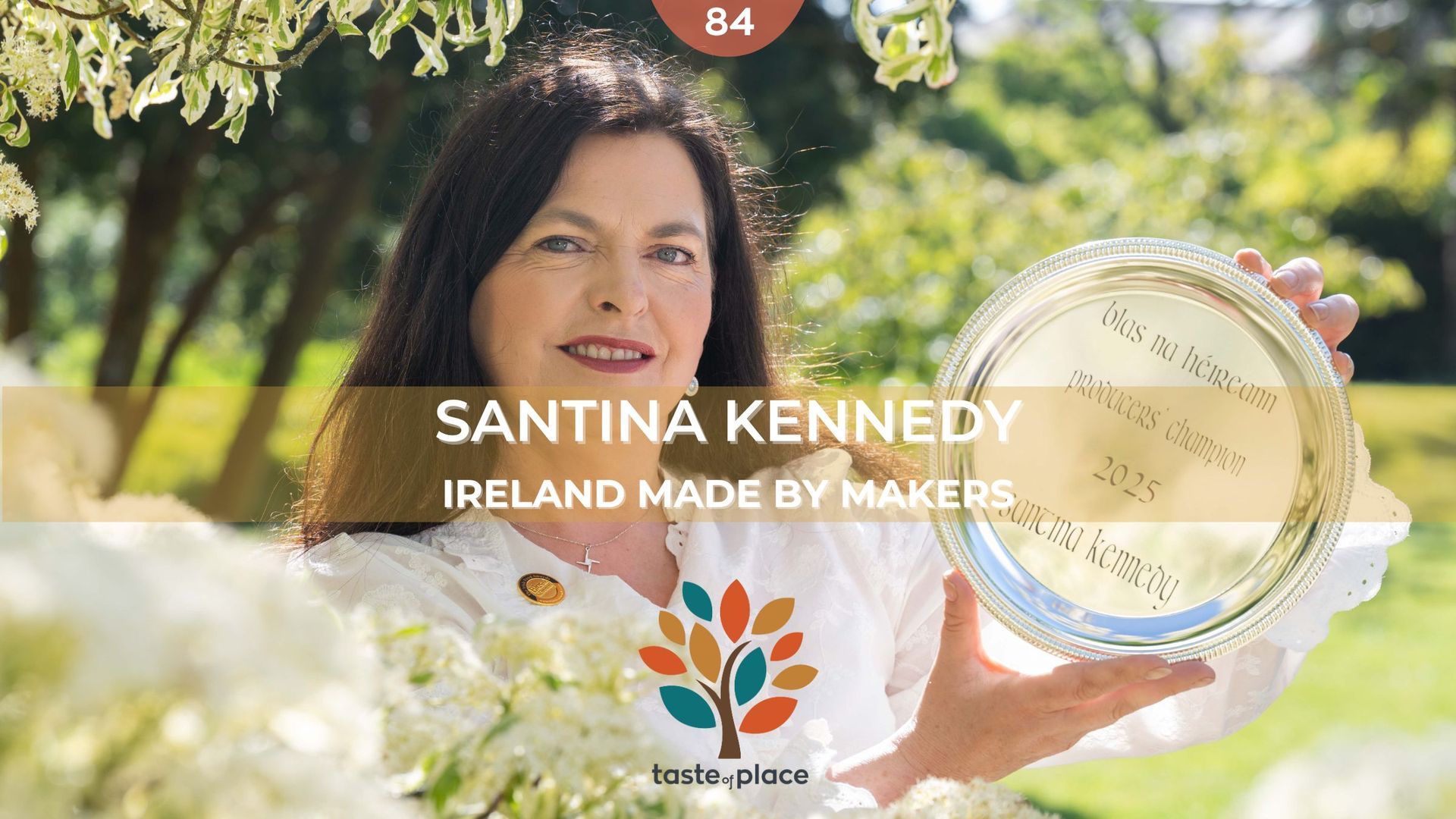
In this episode, Erik Wolf speaks with Santina Kennedy, an award-winning Irish food consultant, producer champion, and storyteller whose work bridges food history, culture, and contemporary experience design. Santina shares her unconventional journey from banking to café ownership, and ultimately to a vocation that did not exist when she was young: interpreting Irish food culture through storytelling, events, and strategic collaborations. She reflects candidly on delayed purpose, entrepreneurship without capital, and why genuine hospitality matters more than polish or scale. The conversation explores Ireland’s overlooked food narratives - from tenant farmers and kitchen workers to everyday staples like potatoes, butter, and bread - and how these stories can be brought to life through immersive experiences in galleries, estates, and public institutions. Santina also dives deeply into Irish whiskey, explaining how history, resilience, terroir, and innovation are expressed in mash bills, grains, and pairing traditions. A standout theme is Santina’s advocacy for St. Brigid as Ireland’s original food and hospitality patron, and her work elevating Brigid’s legacy through food, drink, poetry, and craft. The episode concludes with a thoughtful discussion on regional food networks, particularly County Wicklow, and why Ireland must first teach its own people to value their food culture before expecting visitors to understand it. This is a rich, reflective conversation about identity, resilience, and the power of food to tell the true story of a place. You can learn more about Santina here . The Taste of Place podcast is sponsored by the World Food Travel Association’s Taste of Place movement. Taste of Place is a global initiative that celebrates culinary culture, food heritage, and the makers behind them. Through the movement, travelers and consumers are encouraged to connect more deeply with destinations and products through their unique flavors and traditions. Learn more at JoinTasteofPlace.org . 🎙️ Available now on Spotify, iTunes & your favorite podcast platforms (Search for "Taste of Place") 📺 Prefer video? Watch it now on our YouTube channel . Or listen here now:
5 January 2026
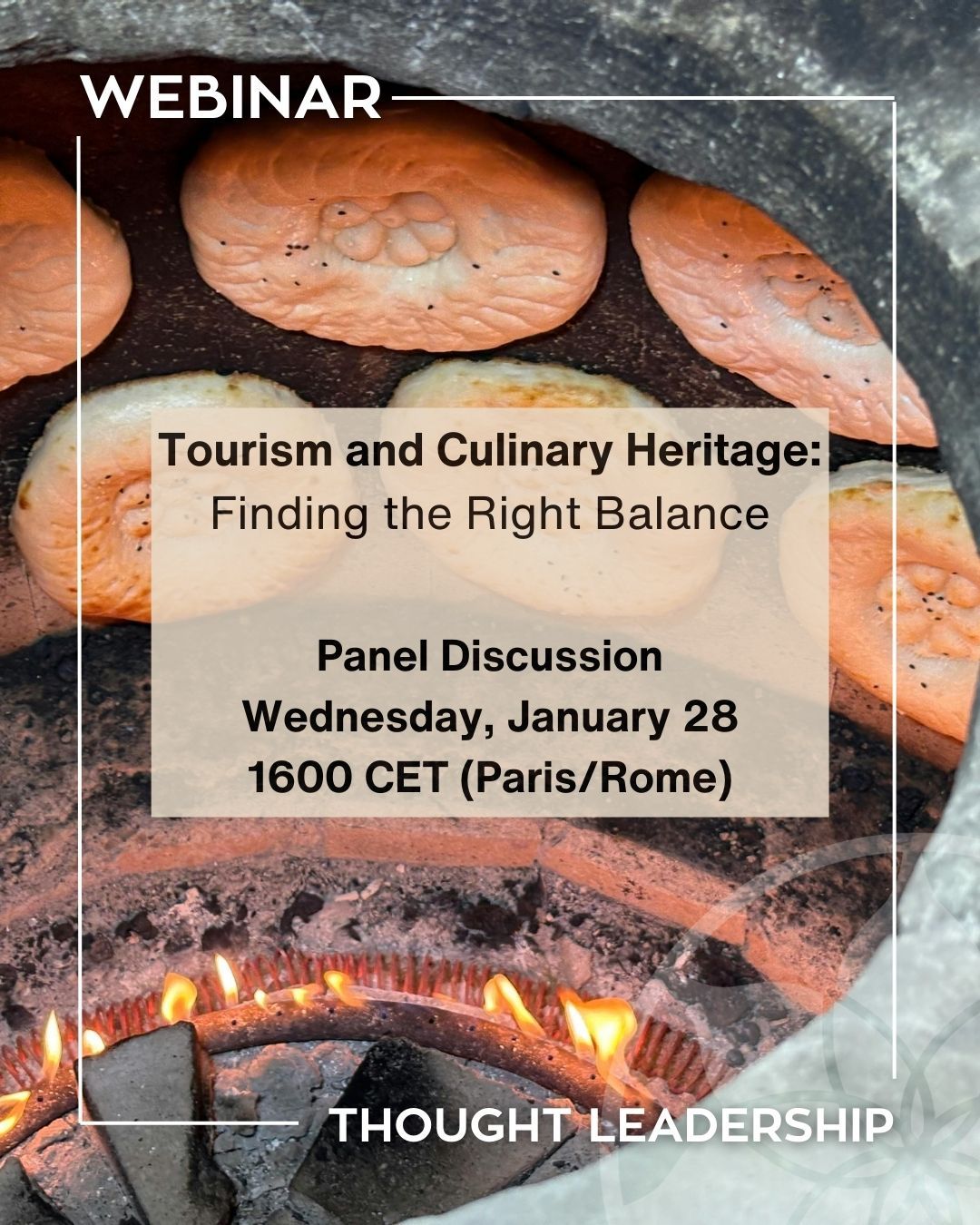
REGISTER NOW As interest in local food cultures continues to grow, destinations face increasingly complex choices. Tourism can support culinary heritage by strengthening local economies and raising awareness of food traditions. At the same time, poorly managed promotion can simplify, commodify, or distort cultural practices. This webinar brings together perspectives from across the system to examine how tourism and culinary heritage can coexist more responsibly. Panelists: - Janice Ruddock, Executive Director, Ontario Craft Brewers Association - Sean O’Rourke, President, Eat & Walkabout Tours - Niclas Fjellström, Executive Director, Culinary Heritage Network - Erik Wolf, Executive Director, World Food Travel Association The discussion will be moderated by Marc Checkley, a Lausanne-based storyteller, journalist, and experienced event host with a background in food, wine, travel, and cultural programming. Topics include: Recognizing culinary heritage as living culture rather than a static product Understanding how tourism and markets influence tradition over time Identifying where destinations most often struggle to find balance Applying practical principles for responsible promotion and stewardship This session is relevant for destination marketers, tourism offices, policymakers, producer associations, educators, and anyone working at the intersection of food, culture, and place. There is no cost to attend. REGISTER NOW
by Erik Wolf 1 January 2026
In 2025, the World Food Travel Association focused on strengthening culinary culture as living heritage, supporting the people and practices that sustain it, and building informed global collaboration rooted in values rather than prestige. Advanced the Taste of Place Movement and Alliance We clarified and communicated the purpose of the Taste of Place Movement — a global effort dedicated to safeguarding culinary heritage and empowering the keepers of food culture in alignment with the Declaration for the Preservation of Culinary Heritage . The Taste of Place Alliance framework was defined to support destinations, organizations, and practitioners who share these values. We also invite those who support this mission to join the Movement through philanthropic contributions. Do you represent a destination? Please contact us to learn how your destination can participate. Delivered Strategic Advisory and Destination Engagement Work We conducted destination-level analysis and advisory engagement in diverse regions, including the Bothnian Bay area of Sweden and Finland and with Saudi Arabia’s Culinary Arts Commission , to help partners explore how food culture, regional identity, and cooperation can contribute to responsible cultural and economic resilience. Updated Professional Training Programs All certification and training programs were updated with current research, terminology, and real-world cases. Regular refresh cycles ensure that practitioners receive instruction that reflects the most accurate and relevant information available. Built Relationships Through Targeted Engagement We engaged directly with destinations, stakeholders, and partners through site visits and industry events, including exploratory meetings in Umbria, Italy and participation in World Travel Market , to listen, assess alignment, and foster partnerships grounded in cultural integrity. Expanded and Recognized Leadership Within Our Global Network In 2025 we welcomed new Ambassadors from diverse regions, including Chef Dela Acolatse ( Ghana ) and Gerald Kock ( Aruba ), and named Mabel Esther Vega Montaño ( Colombia ) as our first Taste of Place Guardian, recognizing her lifelong commitment to ancestral knowledge and rural food culture. These appointments reinforce our values as articulated in the Declaration for the Preservation of Culinary Heritage. Interested in becoming an Ambassador or Guardian in your area? If you share our values and commitment, please get in touch . Honored Outstanding Contributions to the Field We awarded the 2025 Lifetime Achievement Award to Francesc Fusté-Forné (Girona, Spain) in recognition of his distinguished career advancing food tourism research, education, and understanding of culinary culture. We also invited the community to nominate other individuals whose work has made enduring contributions to our field. Provided Global Advocacy Through Editorial and Media Platforms We continued to interpret and elevate global developments in newsletters and digital content, and through the Taste of Place Podcast , which released 11 episodes in 2025 featuring inspiring leaders. Notable episodes included “Peace Through Food” with Paula Mohammed, “The Sweet Taste of Ethics” featuring Veronica Peralta on ethical chocolate, and “From Tunisia With Flavor” with Jamie Furniss on repositioning Tunisian cuisine for travelers. By sharing these conversations, we reinforced food as cultural heritage and connected listeners with makers and culture bearers.
31 December 2025
🎧 New Podcast Episode Alert! Episode 83: “Why Artisanal Still Matters” featuring Heike Winter What happens when you completely reinvent your life at 50—and return to the culinary traditions that shaped you? In Episode 82, host Erik Wolf speaks with Daniela Sfara, the Canadian-Italian chef, cultural ambassador, and founder of ITALUS whose mission is to preserve the disappearing regional foodways of Italy. Daniela shares her extraordinary personal transformation from a 20-year jewellery career to becoming a respected voice in culinary culture, hospitality excellence, and immersive food experiences across Italy, Dubai, Europe, and North America. Daniela’s story is one of resilience, reinvention, and deep cultural stewardship. Whether you work in food, tourism, hospitality, or simply love Italian cuisine, this is an inspiring reminder that food is identity, and preserving culinary heritage is an act of service to future generations. 🎙️ Available now on Spotify, iTunes & your favorite podcast platforms (Search for "Taste of Place") 📺 Prefer video? Watch it now on our YouTube channel. Or listen here now:
Road stretching towards the setting sun. Golden sky, open fields.
31 December 2025
ARUBA (Gerald Kock) Savaneta Seafood Festival: A Model for Community-Led Food Touri sm in Aruba The inaugural Savaneta Seafood Festival, held on September 28, 2025, by Fundación Savaneta Prome Capital, marked a significant moment in Aruba’s culinary and cultural calendar. In the island’s first capital, seaside streets were transformed into a pedestrian-only celebration where food, music, and heritage came together as a powerful expression of local identity. Attracting an estimated 6,000 visitors, the festival demonstrated strong demand for authentic, community-driven experiences among both residents and travelers. Central to the event was an “Ocean-to-Plate” revival. Twenty-four local vendors showcased seafood such as snails, conch, shrimp, and lobster, prepared using traditional family recipes and fresh local herbs. The festival also revived a local fishing tournament for the first time in 40 years. Approximately 30 boats and 100 fishermen landed a collective catch of 880 kg, reinforcing the connection between sea, community, and tradition. Part of the catch was donated and grilled on-site by local chefs, allowing visitors to experience the full journey from ocean to plate - a powerful symbol of sustainability, generosity, and shared pride. Beyond gastronomy, the festival elevated local culture and entrepreneurship through art, crafts, and music, positioning Savaneta as a living example of how cultural heritage and economic opportunity can thrive together. From the perspective of Food Tourism Ambassadors for the World Food Travel Association, the festival offers a replicable framework for Aruba’s future: a model in which each district expresses its distinct identity through food, storytelling, and place-based experiences. The Savaneta Seafood Festival stands as proof that culinary heritage can strengthen community resilience and support sustainable tourism. More than a single event, it presents a compelling vision of how small places can achieve meaningful global impact through food.
14 December 2025
🎧 New Podcast Episode Alert! Episode 82: “Cooking by Heart, Not by Recipe” featuring Daniela Sfara What happens when you completely reinvent your life at 50—and return to the culinary traditions that shaped you? In Episode 82, host Erik Wolf speaks with Daniela Sfara, the Canadian-Italian chef, cultural ambassador, and founder of ITALUS whose mission is to preserve the disappearing regional foodways of Italy. Daniela shares her extraordinary personal transformation from a 20-year jewellery career to becoming a respected voice in culinary culture, hospitality excellence, and immersive food experiences across Italy, Dubai, Europe, and North America. Daniela’s story is one of resilience, reinvention, and deep cultural stewardship. Whether you work in food, tourism, hospitality, or simply love Italian cuisine, this is an inspiring reminder that food is identity, and preserving culinary heritage is an act of service to future generations. 🎙️ Available now on Spotify, iTunes & your favorite podcast platforms (Search for "Taste of Place") 📺 Prefer video? Watch it now on our YouTube channel. Or listen here now:
More posts